
 Brian Dương
#What Is Thai Rice? Comparison with Other Types of Rice
What Is Thai Rice? Comparison with Other Types of Rice
27/05/2025 -
Nội dung bài viết
Thai rice is one of the most renowned rice varieties worldwide, celebrated for its distinctive aroma, texture, and culinary versatility. Originating from Thailand’s fertile plains, Thai rice plays a crucial role in Southeast Asian cuisine and has gained global recognition for its quality and flavor. This article explores what Thai rice is, its popular varieties, and compares it with other common types of rice to help you understand its unique attributes.
Understanding Thai Rice
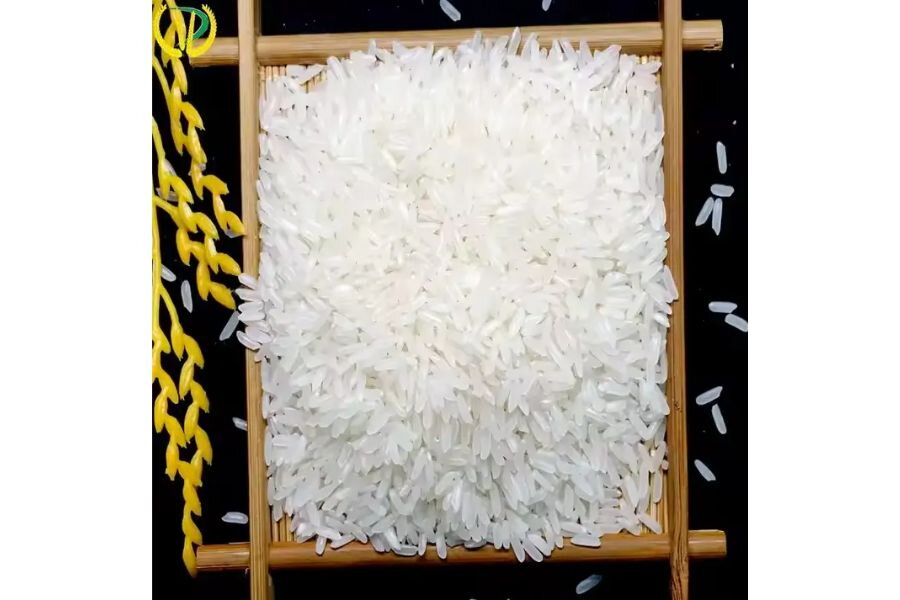
Thai rice refers to a collection of rice varieties cultivated across Thailand, adapted to the country’s tropical climate and rich soil. The most famous among these is jasmine rice, but Thai rice also includes glutinous (sticky) rice and other specialty grains.
Key Characteristics of Thai Rice
-
Aromatic quality: Thai rice varieties, particularly jasmine rice, are known for their natural fragrance.
-
Grain size and shape: Varies from long slender grains in jasmine rice to shorter grains in sticky rice.
-
Texture: Thai rice typically cooks to a soft, fluffy, and separate texture or a sticky, cohesive texture depending on the variety.
-
Culinary versatility: Used in a wide range of dishes from everyday steamed rice to traditional desserts.
Popular Varieties of Thai Rice
1. Jasmine Rice (Hom Mali Rice)
-
The flagship rice variety of Thailand.
-
Known for its floral, sweet aroma.
-
Long, slender grains that cook fluffy yet slightly sticky.
-
Preferred for Thai dishes and widely exported.
2. Sticky (Glutinous) Rice (Khao Niao)
-
Short, plump grains that become very sticky when cooked.
-
Essential in northern and northeastern Thai cuisine.
-
Used in both savory dishes and sweet desserts.
3. White Rice
-
Polished, non-aromatic rice commonly used in daily meals.
-
Soft texture, suitable for a variety of dishes.
4. Red and Black Rice
-
Whole grain rice varieties with higher antioxidant content.
-
Increasingly popular for health benefits.
Comparison with Other Types of Rice
Thai Jasmine Rice vs. Indian Basmati Rice
-
Aroma: Jasmine has a sweet, floral aroma; basmati is nutty and spicy.
-
Grain Length: Basmati grains are longer and thinner; jasmine grains are long but plumper.
-
Texture: Jasmine rice is softer and more moist; basmati is drier and fluffier.
-
Use: Basmati in Indian and Middle Eastern dishes; jasmine in Southeast Asian cooking.
Thai Rice vs. Vietnamese Jasmine Rice
-
Both are aromatic, long-grain varieties.
-
Thai jasmine rice tends to have a more intense floral aroma.
-
Vietnamese jasmine rice is softer and slightly stickier.
Thai Sticky Rice vs. Cambodian Sticky Rice
-
Both are glutinous rice varieties with similar sticky texture.
-
Slight differences in aroma and local culinary uses.
Thai Rice vs. Brown and Parboiled Rice
-
Brown rice is whole grain, higher in fiber, and chewier.
-
Parboiled rice is steamed before milling, firmer, with longer shelf life.
-
Thai jasmine rice is polished and aromatic but lower in fiber.
Culinary Uses of Thai Rice
-
Steamed Jasmine Rice: Served with curries, grilled meats, and seafood.
-
Sticky Rice Dishes: Used in mango sticky rice and savory northern Thai meals.
-
Fried Rice: Thai fried rice relies on jasmine rice for ideal texture.
-
Rice Noodles and Flour: Derived from rice varieties for various dishes.
Cooking Tips for Thai Rice
-
Rinse jasmine rice gently to remove surface starch.
-
Use the correct water-to-rice ratio (about 1.5:1).
-
Cook with a rice cooker or heavy-bottomed pot.
-
Avoid stirring rice during cooking.
-
Let rice rest after cooking for fluffiness.
Conclusion
Thai rice, especially jasmine rice, is a global favorite for its unique aroma, texture, and culinary flexibility. Its distinction from other rice types like basmati, Vietnamese jasmine, and sticky rice highlights Thailand’s rich agricultural heritage and culinary tradition. Whether used in daily meals or special dishes, Thai rice continues to enrich food cultures worldwide.
Learn more: Thai Rice
Xem thêm: https://foods.be5.com.vn/gao-thom-st21/
TVQuản trị viênQuản trị viên
Xin chào quý khách. Quý khách hãy để lại bình luận, chúng tôi sẽ phản hồi sớm