
 Brian Dương
#Why Is Vietnamese White Rice Famous in the World?
Why Is Vietnamese White Rice Famous in the World?
27/05/2025 -
Nội dung bài viết
- 1. Introduction: The Global Significance of Vietnamese White Rice
- 2. 1. Optimal Growing Conditions in Vietnam
- 3. 2. Superior Rice Varieties and Breeding Innovations
- 4. 3. Unique Aroma and Taste Profile
- 5. 4. Strict Quality Control and Sustainable Farming Practices
- 6. 5. Cultural and Culinary Importance
- 7. 6. Competitive Export Industry and Global Reach
- 8. 7. Affordability and Value for Money
- 9. 8. Innovations in Packaging and Branding
- 10. 9. Contribution to Global Food Security
- 11. Conclusion: The Global Fame of Vietnamese White Rice
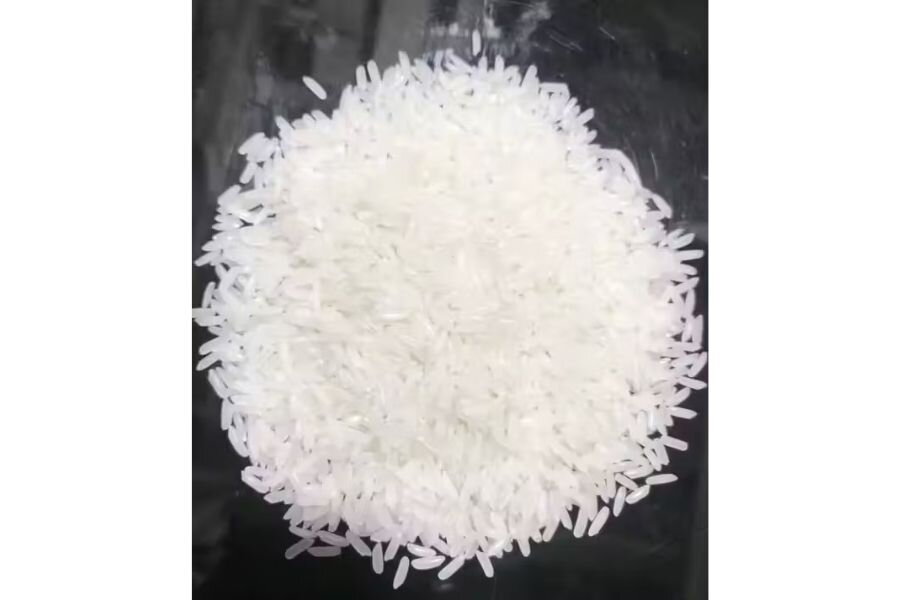
Vietnamese white rice has become a globally recognized staple, celebrated for its superior quality, unique aroma, and exceptional taste. As one of the world’s top rice exporters, Vietnam plays a significant role in feeding millions of people worldwide. But what makes Vietnamese white rice stand out from other rice varieties and why is it famous around the globe? This article explores the factors behind the international acclaim of Vietnamese white rice, its characteristics, production process, and cultural importance.
Introduction: The Global Significance of Vietnamese White Rice
Rice is the cornerstone of Vietnamese cuisine and culture, serving as a daily staple for millions. With ideal natural conditions — including fertile river deltas, tropical climate, and advanced farming techniques — Vietnam produces some of the finest white rice varieties. Over decades, Vietnamese white rice has gained a strong reputation internationally, competing with other famous rice producers like Thailand, India, and the United States.
Vietnamese white rice is known for its delicate texture, aromatic fragrance, and versatility in cooking. These attributes, combined with sustainable farming practices and quality control, have positioned it prominently on the world stage.
1. Optimal Growing Conditions in Vietnam
One key reason Vietnamese white rice is famous worldwide lies in the country’s ideal growing conditions. Vietnam’s geography is blessed with two major fertile river deltas — the Red River Delta in the north and the Mekong Delta in the south. These regions provide rich alluvial soils and abundant water supply essential for rice cultivation.
-
Climate: Vietnam’s tropical monsoon climate ensures consistent warmth and rainfall throughout the year, facilitating multiple rice harvests annually.
-
Soil: Nutrient-rich sediment deposited by rivers creates the perfect environment for rice paddies, contributing to the natural sweetness and quality of rice grains.
-
Water Resources: The extensive irrigation systems in the deltas help maintain rice paddies, ensuring healthy crop growth even during dry spells.
These natural advantages allow Vietnamese farmers to grow premium white rice with a balanced texture and flavor.
2. Superior Rice Varieties and Breeding Innovations
Vietnamese scientists and farmers have developed and cultivated high-quality rice varieties that meet both domestic consumption and export standards. Two of the most renowned jasmine rice varieties — ST24 and ST25 — are prime examples of Vietnam’s excellence in rice breeding.
-
ST24 and ST25 Jasmine Rice: These varieties have gained international recognition for their fragrant aroma, soft texture, and slightly sticky grains. ST25, in particular, was awarded the title of “World’s Best Rice” in 2019, boosting the global prestige of Vietnamese rice.
-
Focus on Quality and Flavor: The selective breeding processes emphasize aroma, grain length, and cooking properties, which differentiate Vietnamese white rice from other types.
The development of these premium varieties has helped Vietnamese rice secure a strong position in international markets and earn the trust of global consumers.
3. Unique Aroma and Taste Profile
One of the most celebrated features of Vietnamese white rice is its distinctive aroma and taste, particularly the fragrant jasmine types. The rice’s floral and sweet fragrance comes from natural compounds like 2-acetyl-1-pyrroline, which Vietnamese varieties possess in high concentrations.
When cooked, Vietnamese white rice often features:
-
Soft but Non-Sticky Texture: The grains are tender and separate easily, perfect for pairing with a wide range of dishes.
-
Mild Sweetness: A subtle natural sweetness enhances the flavor, making it enjoyable even on its own.
-
Versatility: Its texture and aroma make it ideal for steamed rice, fried rice, rice porridge, and traditional meals.
This unique sensory experience is difficult to replicate, making Vietnamese white rice highly sought after.
4. Strict Quality Control and Sustainable Farming Practices
Vietnamese rice producers have increasingly adopted modern agricultural techniques combined with sustainable farming to ensure product quality and environmental protection.
-
Quality Standards: Many Vietnamese rice exporters comply with international certifications such as ISO, HACCP, and GlobalGAP, which guarantee safety, hygiene, and traceability.
-
Sustainable Practices: Integrated pest management, reduced pesticide use, and water-saving irrigation methods are common in rice farming regions.
-
Post-Harvest Handling: Careful drying, milling, and packaging preserve the rice’s natural qualities, ensuring premium quality when it reaches global markets.
These factors contribute to the consistent quality and reputation of Vietnamese white rice worldwide.
5. Cultural and Culinary Importance
Rice is not just an agricultural product in Vietnam; it is deeply embedded in the country’s culture and cuisine. The cultural significance of rice enhances its appeal globally.
-
Symbol of Prosperity and Life: Rice is seen as a symbol of abundance, fertility, and community in Vietnamese traditions and festivals.
-
Culinary Staple: Vietnamese cuisine uses rice in countless forms — from steamed rice accompanying savory dishes to sticky rice desserts and rice noodles.
-
Authentic Flavor Experience: International consumers seeking authentic Vietnamese cuisine often prefer using genuine Vietnamese white rice for the best taste.
This cultural connection adds value and identity to Vietnamese white rice, making it a preferred choice worldwide.
6. Competitive Export Industry and Global Reach
Vietnam ranks as one of the top rice exporters globally, shipping millions of tons annually to markets across Asia, Africa, Europe, and the Americas. This extensive export infrastructure strengthens the fame of Vietnamese white rice internationally.
-
Major Export Destinations: Countries such as China, the Philippines, Malaysia, and many African nations import large quantities of Vietnamese rice.
-
Global Branding: Vietnam has promoted its rice brands aggressively, highlighting quality and authenticity through international trade fairs and marketing campaigns.
-
Trade Agreements: Participation in regional trade agreements like the CPTPP and EVFTA has opened new markets for Vietnamese rice with preferential tariffs.
Through these channels, Vietnamese white rice has become accessible and trusted worldwide.
7. Affordability and Value for Money
Compared to rice from other premium producers, Vietnamese white rice offers excellent value for money without compromising quality.
-
Cost-Effective Production: Efficient farming methods and scale of production keep costs relatively low.
-
Variety for Different Budgets: From premium jasmine rice to standard white rice, Vietnamese producers cater to a wide range of consumers.
-
Consistent Supply: Reliable production cycles ensure steady availability in global markets.
This balance of price and quality attracts importers, retailers, and consumers worldwide.
8. Innovations in Packaging and Branding
Vietnamese rice exporters have embraced modern packaging solutions that preserve rice quality and attract global buyers.
-
Vacuum Sealing and Airtight Packaging: These techniques maintain freshness and aroma for longer periods.
-
Informative Labels: Packaging often includes cooking instructions, origin details, and quality certifications.
-
Attractive Branding: Eye-catching designs highlight the cultural richness and premium nature of Vietnamese rice.
These innovations help Vietnamese white rice stand out on international shelves and gain consumer confidence.
9. Contribution to Global Food Security
Vietnamese white rice also plays an important role in contributing to global food security, especially in regions vulnerable to food shortages.
-
Reliable Supplier: During times of global supply chain disruptions, Vietnam has maintained steady rice exports.
-
Diverse Varieties: Offering both aromatic and non-aromatic white rice varieties helps meet different nutritional and culinary needs.
-
Support for Developing Countries: Vietnam often supplies rice to countries in Africa and Southeast Asia where rice is a dietary staple.
Vietnamese white rice’s role in feeding millions globally reinforces its reputation as a dependable and high-quality product.
Conclusion: The Global Fame of Vietnamese White Rice
Vietnamese white rice has earned its worldwide fame through a combination of natural advantages, scientific innovation, superior taste and aroma, sustainable farming, and effective global marketing. Its unique characteristics, such as the fragrant jasmine rice varieties ST24 and ST25, have set new standards in the international rice market.
Moreover, Vietnam’s commitment to quality control, cultural significance of rice, affordability, and contribution to global food security has strengthened the trust and preference for Vietnamese white rice around the world.
For consumers, chefs, and importers seeking rice with authentic flavor, consistent quality, and cultural richness, Vietnamese white rice remains a top choice. As the global demand continues to grow, Vietnam is poised to remain a leading player in the rice industry, sharing the gift of its exceptional white rice with the world.
Learn more: White Rice
Xem thêm: https://foods.be5.com.vn/gao-thom-st25/
TVQuản trị viênQuản trị viên
Xin chào quý khách. Quý khách hãy để lại bình luận, chúng tôi sẽ phản hồi sớm